
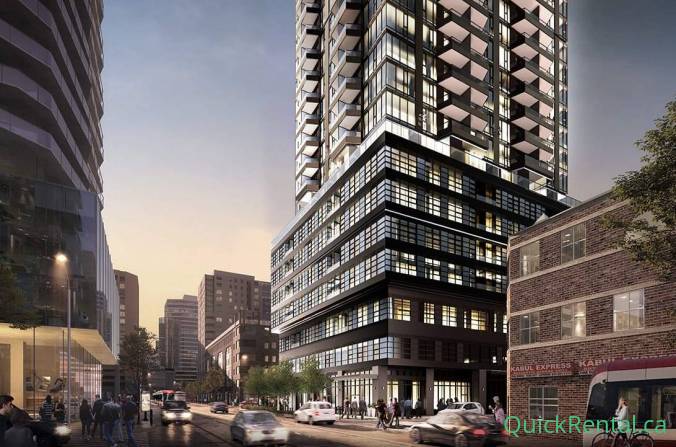
Toronto Apartment Rental 2026: Everything You Need, Nothing You Don’t
Your complete guide to apartments for rent in Toronto — neighbourhoods, costs, rights, and the truth about what this market actually costs you.
Published: March 2026 • Reading Time: ~14 minutes • Categories: Apartment Rental Toronto, Apartments for Rent, Rental Apartment for Rent
You have probably opened dozens of tabs searching for apartments for rent in Toronto. You have refreshed listings at midnight. You have watched units disappear before you could even book a viewing. You have done the math on a rental apartment for rent that looked perfect — and then discovered the true monthly cost was $400 more than the headline price suggested.
We see you. This guide exists because apartment rental in Toronto is not just a transaction — it is a turning point. Whether you are a newcomer to Canada building your life from scratch, a young professional moving out on your own for the first time, a growing family chasing good schools and green space, or a seasoned renter who knows exactly what they want, the stakes are real and the information gap is costly.
In 2026, the Toronto rental market has finally shifted in renters’ favour. Vacancy rates have climbed to 3% — a level not seen since 2020. Average asking rents for a two-bedroom apartment rental in Toronto have dropped to $2,720/month, down from a peak of $2,920 just two years ago. That is not a rounding error: it is $2,400 in annual savings for a renter who knows how to use this moment.
This guide will show you exactly how.
QuickRental.ca Insight: Search thousands of verified apartments for rent in Toronto — by neighbourhood, price, unit type, and pet policy. Free to search. Updated daily.
1. The Emotional Reality of Renting in Toronto
Nobody talks about how exhausting apartment hunting in this city actually is.
You are not just searching for a rental apartment for rent. You are searching for stability. For a neighbourhood where you feel safe walking home at night. For a kitchen where you can cook Sunday dinners. For a commute that does not steal two hours of your life every single day. For a lease you can actually afford without lying awake doing math at 2 a.m.
Toronto has been brutal to renters for years. Bidding wars on rentals. Twelve applications submitted for one unit. Landlords asking for first and last plus proof of income from three jobs. It created a culture of desperation — where renters said yes to apartments they should have said no to, just to have somewhere to live.
That era is not completely over. But the balance of power has shifted, and renters who understand that shift can now make decisions from a position of strength rather than panic.
The market has more listings. Landlords are more flexible. And the renters who take their time, do their research, and understand their rights are landing better apartments at better prices than at any point in the last five years.
This is your moment. Here is how to use it.
2. Toronto’s Rental Market in 2026: The Numbers That Matter
Context is power. Know the market before you search it.
Toronto is Canada’s largest apartment rental market, and it is finally exhaling. According to the Toronto Regional Real Estate Board, more than 20,264 units were listed for rent in Q4 2025 alone — an 8.5% increase year-over-year. The combination of new purpose-built rental completions, softening demand from non-permanent residents, and federal immigration adjustments has pushed vacancy rates to levels that genuinely favour renters.
Key Market Stats: Toronto Apartment Rental 2026
- Average 2-bedroom rent: $2,720/month — down 3.9% year-over-year
- Vacancy rate: 3.0% — highest since the pandemic
- New rental units listed (Q4 2025): 20,264+ units
- Year-over-year rent change: Down $200/month from peak
- Best search window: October to February — less competition, more motivated landlords
What does this mean for someone searching for a rental apartment for rent in Toronto right now? It means you can negotiate. It means landlords are offering incentives — free first month, reduced deposits, flexible lease start dates — that were unthinkable in 2022. It means you can take the time to find the right apartment rather than grabbing the first available unit out of fear.
For the full picture of Toronto’s affordability pressures and what renters are actually experiencing right now, read our survey report: Winter 2025 GTA Rental Crisis: Ontario Renters Face Affordability Squeeze at quickrental.ca/news/toronto-rentals-viewit-fast/winter-2025-gta-rental-market-ontario.html
Market Insight: The best apartments for rent in Toronto still move fast. Set up a free alert on QuickRental.ca and be the first to know when a unit matching your criteria goes live.
3. Best Neighbourhoods for Apartment Rental in Toronto (2026)
Where you live in Toronto shapes everything — your commute, your social life, your budget, your peace of mind.
Toronto is not a monolithic city. It is a collection of distinct neighbourhoods, each with its own character, price point, and trade-offs. Understanding this is the difference between finding an apartment you love and settling for one you tolerate.
Downtown Core & Harbourfront
The most expensive real estate for apartments for rent in Toronto — and the most coveted. Floor-to-ceiling windows overlooking Lake Ontario. Walking distance to the financial district, the best restaurants in the city, and the waterfront trail. Average one-bedroom: $2,300–$2,600/month. Best for: young professionals, empty nesters, anyone who wants to live inside the energy of the city.
Scarborough & North York
The best-value zone for an apartment rental in Toronto, hands down. Strong TTC subway and surface routes. Diverse communities with incredible food scenes. One-bedroom apartments for rent regularly come in under $2,000/month. Best for: budget-conscious renters, newcomers to Canada, families looking for space without downtown prices.
East End: Leslieville, The Danforth, East York
A favourite for young professionals and families who want character without the downtown premium. Thriving local café and restaurant scenes. Great community energy. Rents sit meaningfully below the downtown core. Best for: renters who prioritize neighbourhood feel and value over prestige address.
Etobicoke
Quieter than central Toronto but well-connected by highway and GO Transit. A growing inventory of new purpose-built rental buildings. Rents are competitive. Best for: renters who work outside the downtown core, families wanting space and a calmer environment.
Mississauga & Brampton
Technically outside the Toronto city limits, but these cities offer $300–$500/month savings on comparable apartments for rent — with GO Transit connections that bring downtown Toronto within reach. Mississauga’s Square One area and Brampton’s innovation district are fast-growing rental markets with modern purpose-built buildings and strong community infrastructure. Best for: value hunters, families, commuters who do not need to be in Toronto daily.
For a deep dive into Mississauga apartment rental options, visit: quickrental.ca/news/mississauga-rentals-condo-apartment.html
For Brampton rental listings and neighbourhood guides: quickrental.ca/news/brampton-rentals.html
Transit, Green Space & Schools: The Family Renter’s Checklist
If you are renting with children — or planning to — Toronto’s neighbourhoods are not equal. The TTC subway provides reliable rapid transit through the downtown core and up Yonge Street, but surface routes in suburban areas can add significant commute time. The city’s ravine system and lakefront offer exceptional green space and recreational access that comparable cities cannot match. And school quality varies dramatically by neighbourhood — always research the specific school catchment for any rental apartment for rent you are seriously considering.
Pro Tip: On QuickRental.ca, you can search apartments for rent by Toronto neighbourhood and filter by proximity to transit, schools, and amenities — all in one free search.
4. The Hidden Costs of Renting in Toronto: What Nobody Tells You
The listed rent is not what you will actually pay. Not even close.
This is one of the most important things any renter searching for a rental apartment for rent in Toronto needs to understand. According to QuickRental.ca’s research and our Winter 2025 GTA Rental Survey, a significant portion of Ontario renters are spending well above the recommended 30% of gross income on housing — not because their rent is too high, but because they underestimated the true monthly cost.
Before you sign any lease on an apartment for rent, get specific answers on every single one of these:
- Utilities: Hydro, gas, water — is anything included? Or are you paying for all of it? This alone can add $150–$300/month.
- Parking: Is it included in the rent or an extra monthly fee? In condo buildings, parking can add $150–$250/month.
- Internet & Cable: Not included in 99% of rentals. Budget $70–$120/month.
- Laundry: In-suite laundry is a significant monthly convenience. Shared or coin-operated laundry adds cost and time.
- Building & Amenity Fees: Some rental buildings charge move-in fees, key deposits, or elevator booking costs.
- Tenant Insurance: Required by most landlords. Budget $20–$40/month — shop multiple providers.
- Commuting Costs: A cheaper apartment further from work is often not cheaper once you factor in TTC passes, gas, or parking downtown.
Add all of these up before you compare listings. An apartment for rent at $2,400/month with all utilities included can easily beat one listed at $2,100/month with nothing included.
For our complete breakdown of what renters are actually paying beyond listed rent, read: The Hidden Costs of Renting in Canada at quickrental.ca/news/toronto/hidden-renting-condo-cost-toronto.html
5. Condo Apartment Rental vs. Purpose-Built: Which Is Right for You?
Two categories dominate the Toronto apartment rental market. Know the difference before you search.
Purpose-Built Rental Apartments
These buildings were designed from the ground up as rental apartment for rent inventory — not condos, not converted houses. They are managed by professional property management companies, which means consistent processes, clear maintenance request systems, and more predictable rent increases over time. In the current market, many purpose-built buildings are offering move-in incentives to attract quality tenants.
Trade-offs: Finishes may be less premium than newer condos. Some older purpose-built stock can feel dated.
Condo Rentals
Individual condo owners renting out their units. These often come with higher-end finishes — quartz countertops, integrated appliances, spa bathrooms — and access to building amenities like gyms, rooftop terraces, and concierge services. The trade-off is variability: individual landlords differ enormously in responsiveness, experience, and how they handle maintenance issues.
Trade-offs: Rent is set at each owner’s discretion. Condo board rules add another layer of restrictions. Quality of landlord experience varies widely.
For a step-by-step guide specifically to renting a condo apartment in Toronto — including exactly what to check before you sign — read: Step-by-Step Guide to Renting a Condo in Toronto at quickrental.ca/news/toronto-rentals-viewit-fast/condo-for-rent-toronto-1.html
QuickRental.ca lists both purpose-built rental apartments and condo rentals across Toronto. Filter by unit type, neighbourhood, and budget to find exactly what fits your life.
6. Your Legal Rights as a Toronto Renter
Knowledge of your rights is not optional. It is self-protection.
Ontario’s Residential Tenancies Act governs the relationship between landlords and tenants. Most renters searching for apartments for rent have never read it. Here is what every Toronto renter must know:
Rent Increases
Ontario sets an annual rent increase guideline for most residential tenancies. Landlords cannot increase your rent more than once every 12 months, and they must provide 90 days’ written notice. Important: units first occupied for residential purposes after November 15, 2018 are currently exempt from the rent increase guideline — meaning landlords of these units can raise rent beyond the provincial limit. Always ask when a unit was first occupied before signing a lease.
Standard Lease
Ontario landlords are required to use the provincial standard lease form for most residential tenancies. If you are offered a non-standard lease, you have the right to request the official form. If the landlord fails to provide it within 21 days, you have the right to withhold one month’s rent.
Deposits
In Ontario, landlords may collect a last month’s rent deposit — equal to one month’s rent — and nothing more. They cannot legally collect a separate damage deposit. Always get a written receipt for any deposit you pay.
Maintenance & Repairs
Landlords are legally required to maintain rental properties in a good state of repair and in compliance with health, safety, and housing standards — regardless of what a lease says. If your landlord fails to make necessary repairs after written notice, you can file an application with the Landlord and Tenant Board.
Eviction Protections
A landlord cannot evict you without a valid legal reason and proper notice. Common legitimate reasons include non-payment of rent, repeated late payment, or the landlord’s own use. Illegal eviction — including changing your locks or removing your belongings — is a serious legal violation. If you believe you are being illegally evicted, contact the Landlord and Tenant Board immediately.
7. Newcomers to Canada: How to Secure Your First Rental Apartment
This city offers extraordinary opportunity. Getting through the front door of a rental apartment is the first challenge.
Canada is one of the world’s top destinations for immigrants, international students, and newcomers building new lives. Toronto is the most common first stop. And navigating apartment rental in Toronto without Canadian credit history, local references, or a domestic employment letter is genuinely hard.
Here is what works:
- Build Canadian credit immediately: A secured credit card begins building your credit history from day one. After 6–12 months of responsible use, your credit score will be meaningfully improved and your rental applications far more competitive.
- Bring documentation from home: Employment letters, bank statements, and previous landlord references — translated into English or French — demonstrate financial reliability to prospective landlords even without Canadian history.
- Start with furnished or short-term rentals: More expensive per month, but they require less commitment and give you time to establish credit, learn neighbourhoods, and apply for longer-term apartments for rent from a stronger position.
- Consider a co-signer: A Canadian co-signer who assumes responsibility for the rent dramatically improves your approval odds. This is a significant ask — but for the right relationship, it works.
- Target newcomer-friendly landlords: On QuickRental.ca, you can find landlords who explicitly welcome newcomers and international students — landlords who understand the unique challenges of renting without established Canadian history.
- Know your rights from day one: Ontario’s Human Rights Code prohibits landlords from discriminating based on national origin, race, religion, family status, disability, or gender. If you believe you have been discriminated against in a rental application, you can file a complaint with the Human Rights Tribunal of Ontario.
For a comprehensive breakdown of how Toronto’s standard of living — schools, transit, lakes, green space, and community amenities — compares to other Canadian cities, and how to choose the right neighbourhood as a newcomer: quickrental.ca/news/toronto.html
Over 40% of Toronto’s population was born outside Canada. This city was built by newcomers. QuickRental.ca is committed to helping every renter find a home here — transparently and fairly.
8. Smart Financial Moves for Toronto Renters in 2026
Renting is not just a housing decision. It is a financial one.
For many Canadians, the question of renting versus buying is not just a lifestyle choice — it is a complex financial calculation involving mortgage rates, home equity, market predictions, and long-term investment strategy. In 2026, with interest rates still elevated relative to the pre-pandemic era, renting in Toronto can actually be the financially smarter move for many households.
Renting vs. Buying: The 2026 Math
A two-bedroom condo in Toronto’s downtown core currently lists for approximately $850,000–$950,000. At current mortgage rates (approximately 4.5–5.0% for a 5-year fixed), a 20% down payment of $180,000 produces a monthly mortgage payment of roughly $3,900–$4,200 — not including condo fees, property taxes, and maintenance costs that can easily add $1,000–$1,500 per month. Total monthly housing cost for ownership: $5,000–$5,700.
Compare that to a rental apartment for rent in the same area at $2,720/month. The renter saves $2,280–$2,980 per month — money that, invested consistently, builds significant wealth over time. The argument that renting is ’throwing money away’ does not survive contact with real numbers in Toronto’s current market.
The 30% Rule — And Why So Many Toronto Renters Break It
Financial advisors consistently recommend spending no more than 30% of gross monthly income on rent. In Toronto’s current market, that means a household would need to earn approximately $109,000/year to ’afford’ a two-bedroom apartment at $2,720/month under the 30% rule. For many renters — particularly newcomers, young professionals, and single-income households — that is a difficult bar to clear.
The practical answer: search aggressively in the highest-value neighbourhoods for your budget. Use QuickRental.ca’s filters to compare apartments for rent in Scarborough, North York, Etobicoke, and the inner suburbs. Consider roommate arrangements for large units. And always calculate the true all-in monthly cost — not just the listed rent — before making a decision.
For proven financial strategies specifically designed for Toronto renters navigating this market, read our in-depth guide: Toronto Rental Secrets: Financial Hacks for Finding Life-Changing Apartments at quickrental.ca/news/toronto-rentals-viewit-fast/rent-faster-apartments-toronto.html
9. How to Find and Secure the Right Apartment for Rent
Searching is a skill. Most renters do it wrong. Here is how to do it right.
Step 1: Define Your Non-Negotiables
Before opening a single listing, write down the things you absolutely cannot compromise on: maximum monthly budget (all-in, not just rent), maximum commute time, pet policy, laundry access, parking requirement, and minimum unit size. This list is your filter. Without it, you will waste hours on apartments that will never work.
Step 2: Search by Neighbourhood, Not Just by Price
Two apartments for rent at the same price in different Toronto neighbourhoods are not the same apartment. One might be a 15-minute subway ride from work; the other a 90-minute surface bus slog. One might have walkable groceries, parks, and schools; the other might require a car for everything. Always search neighbourhood-first on QuickRental.ca.
Step 3: Do a Virtual Tour Before a Physical One
In 2026, any landlord listing a quality apartment rental in Toronto should have professional photos and ideally a 3D virtual tour. Do your virtual screening first. Only book in-person viewings for units that genuinely meet your criteria. This saves time for both you and the landlord — and signals to landlords that you are a serious, organized applicant.
Step 4: Apply Strategically
A strong rental application includes: a completed application form, government-issued photo ID, credit check authorization, proof of income (pay stubs, employment letter, or most recent Notice of Assessment), and references from previous landlords. Have all of these ready in a digital folder before you start viewing apartments. The best apartments go to prepared applicants.
Step 5: Read the Lease Before You Sign It
Every clause in a lease is a commitment. Read it entirely. Check for anything that seems unusual — unusual restrictions, automatic rent increases, clauses about guests or overnight visitors, conditions on subletting. If you are unsure about a clause, contact the Landlord and Tenant Board’s information line before signing.
Step 6: Inspect the Unit Thoroughly
Before moving in, complete a thorough written inspection with the landlord. Document any existing damage with photos and have the landlord sign off on the inspection report. This protects your last month’s rent deposit and prevents future disputes about damage you did not cause.
For the complete renter strategy guide — including how to compare listings, negotiate rent, and understand your lease: quickrental.ca/news/toronto-rentals-viewit-fast/find-rental-canada-2026-guide.html
10. For Landlords: Fill Your Toronto Rental Apartment Faster in 2026
The market has shifted. Landlords who adapt will fill units in days. Those who don’t will fill them in months.
With vacancy rates at multi-year highs across Toronto, the landlords winning right now are the ones treating their listing as a marketing exercise — not just an administrative one.
- Invest in professional photography: This is the single biggest factor in whether renters click your listing. Poor photos lose applicants before they read a word of your description.
- Price based on current market data: Overpricing in a 3% vacancy market leads to prolonged vacancy. Use QuickRental.ca’s neighbourhood comparison tools to see what comparable apartments for rent are actually renting for right now.
- Write a complete, honest description: Include square footage, appliances, parking, laundry, pet policy, and proximity to transit. Transparency builds trust and attracts better applicants.
- Consider offering incentives: Free first month’s rent, a reduced deposit, flexible lease start dates — in the current market, these concessions can be the difference between filling a unit quickly and waiting months.
- Screen fairly and thoroughly: A strong credit check, employment verification, and landlord references protect your investment. Ontario’s Human Rights Code applies to all tenant screening — do not discriminate.
- List on QuickRental.ca: Free to post, reaches thousands of active Toronto renters every day, and takes less than 10 minutes to set up.
For a comprehensive guide to renting out your Toronto property: quickrental.ca/news/toronto-home-rental.html
Conclusion: Your Next Toronto Apartment Is Waiting
The 2026 Toronto rental market is the most renter-friendly environment in five years. Vacancy rates are up. Rents are down. Landlords are negotiating. New purpose-built rental apartments for rent are entering the market every month. The information advantage — knowing the market, knowing your rights, knowing the true cost of what you are signing — is now the primary edge any renter can have.
QuickRental.ca was built for exactly this moment. Thousands of verified apartments for rent across Toronto and the GTA. Advanced search filters. Real-time listings. Free to search. Free to list. And a growing library of guides, market data, and renter resources — built specifically for Canadians navigating one of the world’s most complex rental markets.
Whether you are a first-time renter, a newcomer building your life in this country, a family chasing the right school and the right street, or a landlord who wants to find a great tenant fast — this platform was made for you.
The rental market moves quickly. Your next home is on QuickRental.ca right now. Go find it.
Find Your Next Toronto Apartment Today
Thousands of verified apartments for rent — updated daily. Free to search. No signup required.
Search Free at QuickRental.ca →
QuickRental.ca • contact@quickrental.ca • +1 (289) 624-7595 • Canada’s Fast-Growing Rental Platform
About QuickRental.ca: Canada’s fast-growing online rental marketplace, connecting tenants and landlords across every province. From bachelor apartments in Toronto to family homes in Calgary — renting faster, easier, and more transparent.